Outdoor Budget guide
Best Inexpensive Trail Cameras – Budget Picks That Actually Work in 2026
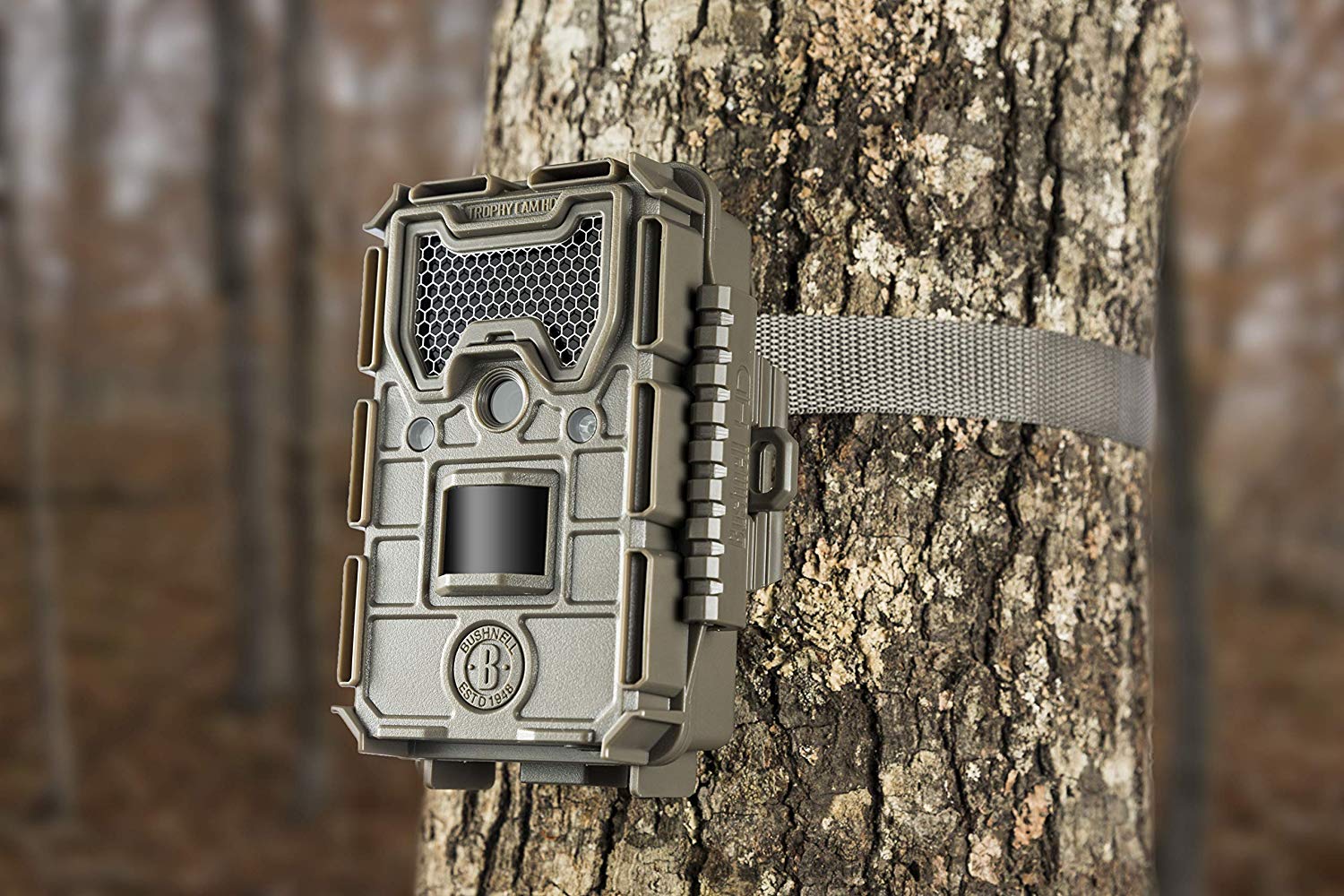
Trail cameras have gotten cheap enough that there is no good reason to skip them. Spend $35 and come home to photos of every deer, coyote, or raccoon that walked past your tree in the last two weeks. The gap between a $40 budget camera and a $200 premium model has narrowed on the basics: trigger detection, IR night photos, weatherproofing.
What has not closed is the gap on trigger speed, flash range, and night image crispness. At this price you are trading some of those to keep your wallet intact. This guide names the tradeoffs directly so you can pick the right one.
All prices and availability below are verified from live retailers as of June 2026.
Quick Picks
| Pick | Product | Price range | Best for |
|---|---|---|---|
| Cheapest that works | Wildgame Innovations Terra Xtreme 16MP | $32 to $60 | Hunters who want a functional camera without spending much |
| Best non-cellular value | Spypoint Force-48 | around $50 | Anyone who wants good image quality at the lowest sensible price |
| Best mini form factor | Moultrie Micro-42i Kit | around $52 | Tight spots, small trees, keeping cameras hidden |
| Best night performance | GardePro A3S | around $65 | Wildlife watchers and property managers who care about night image quality |
| Best budget cellular | Spypoint Flex-M | around $80 | Hunters who want remote photo delivery without a big cellular bill |
What to Look for at This Budget
Megapixels: mostly marketing
Every camera here will claim 16MP to 48MP. The real-world difference is much smaller than that gap implies. Budget sensors, lenses, and IR emitters limit what the image looks like regardless of how many pixels the camera interpolates. Sensor quality and flash power matter more. The GardePro A3S uses a Sony Starvis sensor, which is why reviewers single it out for night images. Most budget cameras use generic sensors.
Trigger speed
Trigger speed is how fast the camera fires after detecting motion. At this price you are looking at 0.4 to 0.8 seconds. A deer walking at a normal pace can partially clear the frame in that window. Cameras on a trail face this problem more than cameras over a food plot. The Moultrie Micro-42i’s 0.4-second trigger is the fastest in this price range.
No-glow vs. low-glow IR flash
Standard red-glow IR emitters are faintly visible to deer at close range. Low-glow LEDs are dimmer and harder to see. No-glow (940nm) LEDs are invisible but produce slightly darker nighttime images than red-glow at the same distance. If spooked deer are a concern, no-glow is worth it. The GardePro A3S and Moultrie Micro-42i both use no-glow. The Wildgame Terra Xtreme and Spypoint Force-48 use low-glow.
Cellular vs. non-cellular
Cellular cameras send photos to your phone over a data network, letting you check a location without visiting it. That protects the spot from your own scent during hunting season. The cost is the camera price plus a monthly data plan, typically $5 to $15 per month. All cameras in this roundup are non-cellular except the Spypoint Flex-M.
Wildgame Innovations Terra Xtreme 16MP
Around $32 to $60 at Blain’s Farm and Fleet, Wildgame Innovations direct, and Amazon
This is the bottom-rung pick for buyers who want a working trail camera at the lowest possible entry point. The Terra Xtreme captures 16MP stills and 720p video, detects motion out to 60 feet, and fires at 0.7 seconds. It records time, date, and moon phase on each image. The strap-and-clip mount system works on most trees without tools.
Reviewers note that daytime image quality is usable and the interface is straightforward. The 0.7-second trigger is slow compared to the rest of this list, which means you will miss more fleeting shots. Video records without audio. Flash range tops out at 60 feet.
Who it is for: First-time trail camera buyers, people who want to cover a lot of ground with multiple cameras without spending much per unit, and anyone who just wants to know what is in an area rather than collecting crisp wildlife portraits.
Pros: Very low price. Available at multiple retailers. Durable for the cost. Moon phase data is a useful hunting detail for the price.
Cons: 0.7-second trigger is the slowest on this list. No audio on video. Low-glow flash (not no-glow). Detection range capped at 60 feet. No SD card included.
Spypoint Force-48
Around $50 at Spypoint.com (on sale from $69.99), Walmart, and Amazon
The Force-48 is where budget trail cameras start to feel like real gear. It shoots 48MP photos with 48 low-glow LED emitters, an 80-foot flash range, 80-foot detection range, and a 0.5-second trigger. It includes an LCD setup screen, which makes configuration in the field much easier than cameras that require you to count button presses through a tiny display window.
Reviewers at Hook and Barrel called it “among the best buys in trail cams” and noted the flash range and trigger performance exceed expectations for the price. Some owners have reported the occasional detection gap in early field use, though multi-month deployments tend to show consistent results. Battery life is competitive, with owners reporting 18 to 24 months on a full set of AA batteries under moderate use.
Who it is for: Hunters and property owners who want solid all-around performance without going over $50. The 80-foot detection and flash range at this price is genuinely hard to beat.
Pros: 48 low-glow LEDs for 80-foot flash range. LCD setup screen. 0.5-second trigger. Time-lapse mode included. Multi-shot burst capability. Compact body.
Cons: Low-glow (not no-glow) flash may be visible to wary deer at close range. 720p video is functional but not impressive. SD card sold separately.
Moultrie Micro-42i Kit
Around $52 at Amazon (down from $90), Bass Pro Shops, and other sporting goods retailers. Kit includes four AA batteries.
The Micro-42i earns its place on this list by being the smallest capable trail camera in the sub-$60 category. At 3.5 inches, it fits on small-diameter trees and fence posts where a standard-size camera looks obviously out of place. Field and Stream named it their top mini trail camera after hands-on testing.
Specs are strong for the price: 42MP stills, 720p video, 0.4-second trigger (the best on this list), 70-foot detection, and no-glow infrared flash out to 80 feet. Owners consistently note that daytime detection range exceeds the listed 70 feet in practice.
The main criticism is night image quality. Multiple owners note night photos are grainier than the daytime shots suggest they should be, and the four-battery configuration (vs. eight AA batteries on most competitors) limits the power available for the IR flash. False triggers in open areas with wind movement are also a recurring complaint.
Who it is for: Hunters who want to stay hidden at their best spots, cabin or property owners who want a camera that does not advertise its presence, and anyone setting cameras on small trees or posts.
Pros: Smallest body in this price range. 0.4-second trigger is the fastest here. No-glow IR. Battery kit included. Proven brand with good retailer support.
Cons: Night image quality is noticeably softer than the GardePro A3S at a similar price. Four batteries means shorter battery life than eight-battery cameras. More prone to false triggers in windy open areas. No SD card included.
GardePro A3S
Around $65 at Amazon (regularly $65 to $90 depending on promotions)
The A3S is the pick if night image quality is your top priority. GardePro uses a Sony Starvis sensor and 940nm no-glow emitters, which produces noticeably brighter and sharper nighttime images than most cameras in this price range. Trail cam reviewers at Trailcampro found the A3 hit first place in their 2022 flash range test, and the A3S builds on that sensor with 64MP interpolated stills and 1296p video.
The 0.1-second trigger claim is aggressive. Independent lab testing found the A3 closer to one second in real-world conditions, which is slower than the spec sheet suggests. That matters if fast-moving animals are your primary target. For food plot monitoring, property coverage, or wildlife observation, the actual trigger speed is still adequate.
GardePro recommends against rechargeable batteries because the lower voltage causes performance issues. Plan for alkaline or lithium AA batteries. Detection range reaches 100 feet, which outpaces most cameras at this price.
Who it is for: Wildlife photographers, property managers, and hunters who prioritize night image quality over raw trigger speed. This is the best-looking budget camera in the dark.
Pros: Sony Starvis sensor produces the best low-light images in this price range. True 100-foot no-glow flash range. 1296p video quality is noticeably better than 720p competitors. 512GB SD card support. IP66 weatherproofing.
Cons: Real-world trigger speed slower than the 0.1-second spec suggests. Brand less widely known, which means fewer local retail options. Wind sensitivity can cause false triggers at medium and high sensitivity settings. Avoid rechargeable batteries.
Spypoint Flex-M (cellular)
Around $80 at Spypoint.com and Amazon
The Flex-M is the only cellular camera on this list. Spypoint’s dual-SIM design connects to whichever carrier has better signal at your location. The free plan covers 100 photos per month with no commitment, and paid plans start at $5 per month for 250 photos.
Specs include 28MP photos, 720p video with audio, GPS, 0.4-second trigger, and a 90-foot detection and flash range. Field and Stream found trigger speed and detection “punched way above its price.” The honest tradeoff is the plan cost: the $5/month plan adds $120 over two years. If you genuinely use remote access during hunting season, it earns that back in time and reduced property pressure. If you are on the fence, start non-cellular.
Who it is for: Deer hunters who want to monitor a stand location without burning it with repeated visits, property owners who want real-time alerts from a remote camera, and anyone who has already tried a non-cellular camera and wants to upgrade.
Pros: Dual-SIM cellular works on multiple carriers. Free 100-photo monthly plan available. GPS built in. 0.4-second trigger. Audio on video. Time Lapse+ feature for scouting open areas.
Cons: Monthly plan cost adds up over time. 720p video is standard, not exceptional. SD card sold separately. At $80 it stretches the “inexpensive” category, though it is the cheapest capable cellular trail camera currently available.
What You Give Up at This Price
Trigger speed. Premium cameras fire at 0.2 seconds. Budget cameras at this price run 0.4 to 0.8 seconds. That gap shows up as partial photos of animals that moved through quickly.
Flash quality. Budget cameras cap flash range at 60 to 80 feet. In a 100-foot scenario, expect dark edges on nighttime images.
Build quality. None of these cameras will fail in a rainstorm, but extended exposure over multiple seasons tends to show up in budget hardware sooner than it does in $150-plus models.
Setup screens. The Spypoint Force-48 is the exception with its LCD screen. Most budget cameras require navigating settings through button presses, which is annoying in low light.
Battery life in cold. Budget cameras with four-battery trays feel temperature drops more than eight-battery models. Use lithium batteries in consistently cold conditions.
Frequently Asked Questions
What is the cheapest trail camera worth buying?
The Wildgame Innovations Terra Xtreme 16MP at around $32 from Blain’s Farm and Fleet is the floor. It detects motion, fires the IR flash, and saves images to your SD card. Below $30 you are mostly looking at unknown brands with variable quality control and no retail support.
Do budget trail cameras work at night?
Yes, with caveats. Every camera on this list captures nighttime photos via IR flash. Quality varies considerably. The GardePro A3S produces the best budget night images due to its Sony Starvis sensor. The Moultrie Micro-42i’s night photos are noticeably grainier. Night image quality is where the biggest differences between budget models actually show up.
Do I need a cellular trail camera?
Only if reducing visits to your camera location matters. Cellular cameras keep your scent out of the area during hunting season. For property security, backyard wildlife, or casual use, a non-cellular camera and SD card swap works fine and saves $50 to $100 upfront plus ongoing plan costs.
What SD card should I use?
A Class 10 or UHS-I card with at least 32GB is a safe baseline. Slow no-name cards cause frame drops in video mode. Check your camera’s manual before buying a high-capacity card: some budget firmware does not recognize cards above 32GB.
How many megapixels do I actually need?
For scouting deer or checking who is visiting your property, 16MP is enough. The difference between 16MP and 48MP on a budget sensor is much smaller in the field than the spec sheet implies. Higher resolution helps when you need to crop a specific animal out of a wide frame, but for basic monitoring it rarely matters.